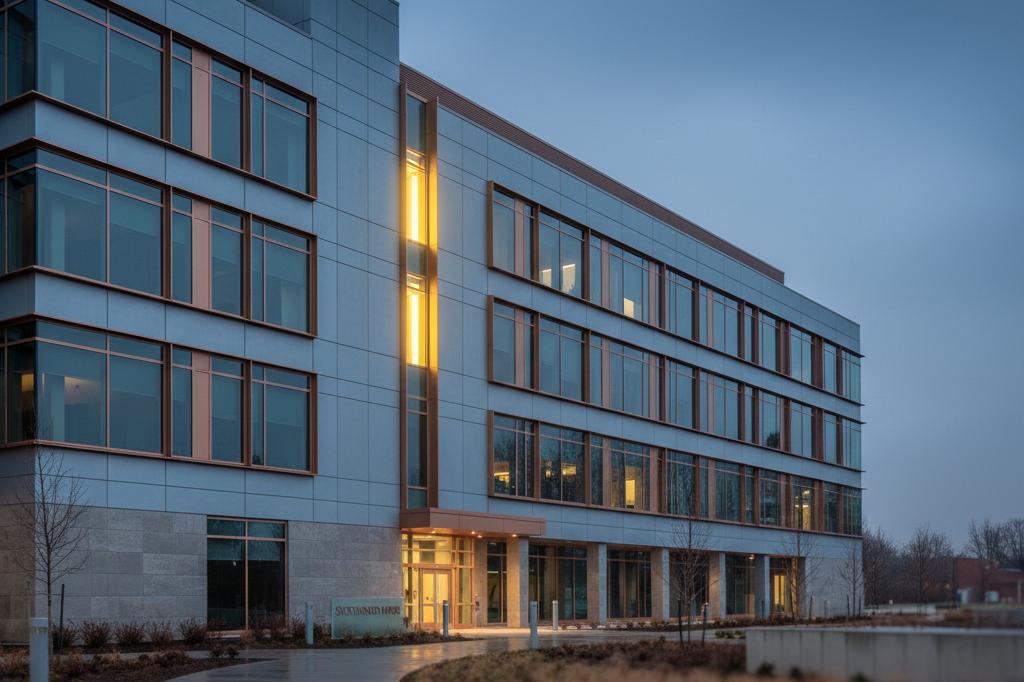
The Wilmot Cancer Institute at the University of Rochester Medical Center is the regional NCI-designated cancer center serving upstate New York, the Finger Lakes, and the Southern Tier. URMC residents in hematology-oncology, surgical oncology, radiation oncology, and palliative medicine rotate through Wilmot’s volume during training. The Guardian Provider Choice GSI policy they carry includes an endorsement that responds when those same diseases hit the residents themselves.
Form ICC16 SISB attaches to University of Rochester GSI disability insurance for medical residents at no charge. The endorsement adds 50% to the monthly disability benefit for up to 12 months when a covered total disability is caused solely by cancer, stroke, or heart attack.
The supplemental layer matters because cancer claims among residents move through predictable arcs. Diagnosis arrives, treatment compresses the work schedule, recovery takes months, and income loss runs alongside elevated medical costs. The endorsement compensates for that compression.
For URMC residents enrolled in guaranteed standard issue disability insurance programs, the endorsement is part of the no-charge benefit architecture that attaches to every policy issued through the program.
The benefit calculation runs against the resident’s base monthly disability amount, which is determined by the stipend and benefit-sizing terms at issuance.
The companion piece in this cluster examines how URMC resident stipends map to upstate New York cost of living during training, providing the financial baseline against which the SISB benefit is calculated.
Catastrophic events the endorsement covers arrive without warning and reshape what residents need from a policy.
Isheet Patel, MD, a board-certified internist and co-founder of Peak Concierge Care in Lone Tree, Colorado, framed the underlying risk on the Income Protection Journal Podcast.
“One car crash will change the rest of your life, or can have the potential to change the rest of your life. One slip in the tub, one crack of the head on a curb. It could be any time.”
Isheet Patel, MD, board-certified internist and co-founder of Peak Concierge Care, on the Income Protection Journal Podcast
The same logic applies to cancer, stroke, and heart attack. The events the endorsement names are not predictable.
A URMC resident in their second year of training who receives a cancer diagnosis enters the SISB-covered category without warning. The policy responds without requiring a separate election or enrollment.
“We will pay a Serious Illness Supplemental Benefit in addition to the Monthly Benefit when You are Totally Disabled solely due to Cancer, Stroke and/or Heart Attack. The Serious Illness Supplemental Benefit is equal to 50% of the Monthly Benefit. It is paid for a maximum of 12 months during the life of the Policy and is only payable while the Monthly Benefit is payable.”
Serious Illness Supplemental Benefit Endorsement, Form ICC16 SISB, attached to Guardian Provider Choice Individual Disability Income Insurance, Policy Form ICC16 18ID, Berkshire Life Insurance Company of America (specimen contract)
The 12-month maximum is a lifetime pool. URMC residents who use a portion during one event retain the remainder for any subsequent event covered by the endorsement.
Inside the SISB Endorsement at URMC
The endorsement requires that the total disability arise solely from cancer, stroke, or heart attack. A URMC resident whose disability has multiple contributing causes does not access the supplemental benefit unless one of the three named conditions is identified as the sole cause. The carrier evaluates the medical record at claim time.
The stroke definition in the endorsement is restrictive. The provision requires a cerebrovascular incident producing a neurological deficit lasting more than 24 hours, confirmed by neuroimaging. Traumatic brain injury from external forces does not qualify.
The cancer definition includes the presence of malignant cells or a malignant tumor characterized by uncontrolled growth and invasive spread. Pre-malignant conditions, in-situ carcinomas, and certain low-stage skin cancers may not qualify under the strict reading of the provision.
Wilmot Cancer Institute Clinical Exposure and Personal Risk
Wilmot Cancer Institute receives patients from across upstate New York and is the only NCI-designated cancer center between Buffalo and Albany. URMC residents rotating through Wilmot see the full spectrum of cancer presentations the SISB endorsement covers. The clinical exposure produces familiarity with the policy language and with the patient experience the endorsement was designed to support.
That clinical exposure also produces awareness of the cancer risk patterns that affect younger adults. Cancer incidence among adults 25 to 44 has been increasing across multiple categories, and URMC residents read those statistics in patient charts before they read them in their own potential coverage materials.
The endorsement attaches automatically to every Guardian Provider Choice GSI policy issued through URMC. A resident who enrolls during training carries the endorsement through the full benefit period of the base policy without any further election.