
A restaurant owner in Tucson personally guaranteed a $750,000 SBA loan when he opened his second location in 2023.
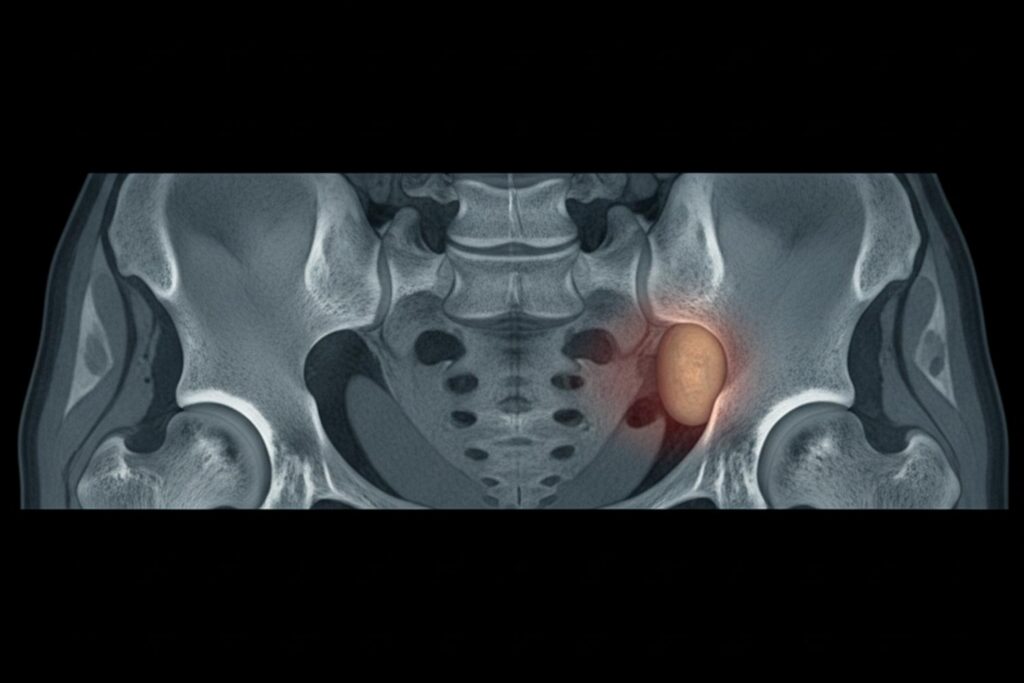
Then, a freak spinal injury came out of nowhere in 2026 and side lined him for 11 months.
But his lease payments, of course, didn’t pause. And his monthly loan installments didn’t either.
The bank still wanted their money.
Luckily, the restaurant’s manager could run the dining room during the recovery. But ironically, the owner’s signature on the personal guarantee was the part that did not transfer.
The personal guarantee is the reason business loan protection insurance exists as a distinct financial instrument from something like a standard personal disability income policy.
The SBA actually requires a personal guarantee from any owner who holds 20 percent or more of an SBA 7(a) or SBA 504 borrower’s equity. The Standard Operating Procedure 50/10 codifies the requirement.
The guarantee gives the lender direct recourse to pursue the owner’s personal assets if the loan defaults.
The disability event does not pause the loan agreement. The bank’s right to collect the monthly installment continues whether the owner is in the dining room, in a hospital bed, or in physical therapy.
Principal’s ICC25 HH 802 BLE policy frames the loan obligation directly. The specimen defines a Contractual Agreement as “a legal contract which states the terms of the loan agreement between You and the Lender.”
The same policy section makes clear that “the issuance of this policy does not modify, change or alter the terms or conditions of the Contractual Agreement.”
The Lender, in the policy’s definition, is “the individual or entity that is party to the Contractual Agreement or its lawful successor, and is identified in the application.”
Naming the lender in the application is what ties the policy to a specific loan rather than to the borrower’s general business debt.
The two major carriers in the business loan disability market sell the product on opposite structures.
| Dimension | Principal ICC25 HH 802 BLE | Guardian Business Loan Protection Term Rider |
|---|---|---|
| Product structure | Standalone disability policy | Rider on the Berkshire Life overhead expense policy (ICC18 18OE) |
| Requires a separate BOE policy? | No | Yes, the rider attaches to the BOE base contract |
| Lender capacity per policy | One covered loan | Up to five lenders on the Schedule Page |
| Termination date | Tied to the date the covered business loan expense ends | Per-lender Term, selectable from 5 to 30 years |
| Default Benefit Recipient | Owner (Lender if named on the application) | Per-lender designation on the Schedule Page |
The two products serve the same exposure with different operating models. Principal sells coverage as an independent contract. Guardian bundles coverage into the BOE policy and lets the rider carry up to five lender-tied benefits inside it.
The standalone-versus-rider distinction matters at policy purchase.
An owner who has Principal BOE and Principal BLE holds two independent contracts. An owner who has Guardian BOE with the Business Loan Protection Term Rider holds one contract with multiple lender-tied benefits inside it.
The default Benefit Recipient on Principal’s policy is the Owner, not the Lender. Per the specimen, “If no Benefit Recipient is named in the application or other written request, then the Owner is the Benefit Recipient.”
The owner receives the check from the carrier and routes it to the bank.
The owner who designates the Lender as Benefit Recipient sends the check directly to the bank.
Either path results in the loan installment being paid on time. The cash-flow visibility differs.
Total Disability under the BLE policy is defined narrowly. The specimen requires that the insured be “unable to perform the Substantial and Material Duties of Your Occupation,” not Working, and satisfying the claim documentation requirements.
The owner who returns to a reduced role during recovery may exit Total Disability under the policy’s definition even while the loan installment is still due.
The path from SBA closing table to disability default is short, and most borrowers do not walk it consciously. Bob Herum, president of the Council for Disability Income Awareness, named the pattern broadly on the Income Protection Journal Podcast.
“The unconscious decision is made by those people that are offered a benefit, whether the employer pays part of it or it’s totally voluntary, and they simply make no decision. They don’t act on it. They don’t take it to their spouse. They don’t have any time to really talk about it with a professional advisor.”
Bob Herum, president, Council for Disability Income Awareness, on the Income Protection Journal Podcast
Herum’s frame applies to the SBA closing table directly. The borrower signs the personal guarantee because the SBA requires it and the lender expects it.
The question of what happens to the loan installment if the borrower’s income stops is rarely on the table at closing.
The loan agreement and the BLP policy are typically written in different rooms with different counterparties.
Owners shopping protection choose between disability coverage and term life insurance as collateral alternative for the lender’s collateral requirement. Each instrument behaves differently at default.
The collateral instrument is one of two decisions an SBA borrower makes on the disability side of the loan.
The second decision is the benefit-period match. The carrier writes the coverage window matched to the loan amortization schedule so the policy’s termination date aligns with the date the loan obligation ends.
Both decisions get made once, at policy purchase, alongside the SBA loan closing.
For small business owner disability insurance buyers carrying SBA-backed debt, the BLP policy sits alongside the personal disability income policy and the BOE policy as a third layer of practice protection.
The three policies cover three separate exposures.
The personal disability income policy replaces the owner’s salary. The BOE policy reimburses the practice’s overhead.
The BLP policy services the loan installment.
The Tucson restaurant owner’s 11-month recovery resolved with the practice intact, the loan current, and the personal guarantee untriggered.
The bank received the loan installment on schedule each month from the BLP carrier through the policy’s documented path.
The owner’s signature on the personal guarantee survived the disability. The coverage he had purchased meant the guarantee was never tested.