
Long delays in federal disability decisions are leaving many workers without income for months, widening the exposure facing households after an unexpected illness or injury. Applicants often wait more than six months for an answer—and in some periods the delay has reached about 225 days, according to Social Security data. During that time, employer plans and any private coverage become the only sources of support, making the structure of each policy more important than many workers realize.
Federal timelines are outside anyone’s control. Private disability insurance pays on its own schedule after the elimination period, without waiting on a government decision.
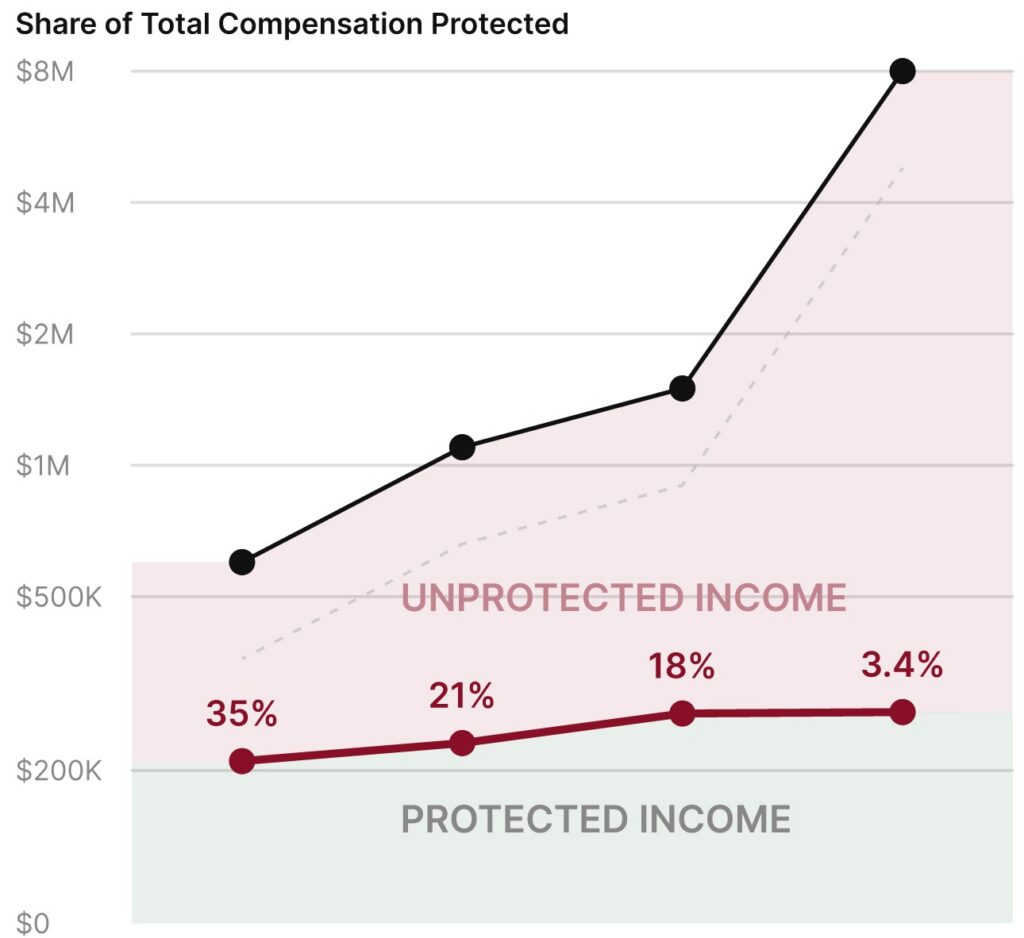
Those delays are surfacing gaps in employer disability plans that often go unnoticed until a claim begins. Many plans insure only base salary, even as bonuses, commissions, and incentive pay become a larger share of total compensation across industries. When workers rely on income that isn’t counted in their coverage, the benefit that eventually arrives can fall far below the paycheck that stopped.
The strain is compounded by limited household savings. About half of adults have enough cash to cover three months of expenses, leaving many families with less cushion than standard elimination periods assume, according to the Federal Reserve. When a disability interrupts income, this combination of long waits and limited buffers turns benefit definitions into a central financial issue rather than an administrative detail.
Where Employer Plans Fall Short
Employer long-term disability plans were never designed to replace every dollar of income. Most cover about 60 percent of base salary, and bonuses or other variable earnings are often excluded. For workers whose compensation depends on performance or overtime, the real replacement rate can be far lower than the headline figure suggests.
Some employer long-term disability plans also coordinate their payments with federal disability benefits. When this structure is in place, the amount paid by the employer plan can change once Social Security disability benefits begin. Because federal approval takes time, workers may experience a shift in total income later in the claim, sometimes without expecting it.
The conditions driving claims add another layer of complexity. An estimated 1.3 billion people live with a significant disability worldwide—“16% of the world’s population, or 1 in 6 of us”—according to the World Health Organization.
Mental-health conditions such as anxiety and depression have also become major drivers of long-term disability, and a recent update noted that these conditions “represent the second biggest reason for long-term disability, contributing to loss of healthy life,” according to the WHO. These patterns matter because many employer plans apply stricter time limits to behavioral-health claims than to physical injuries, which can shorten benefits for a growing share of workers.
When Definitions Change the Outcome
How disability is defined plays a major role in how long benefits last. Many employer plans begin with an “own-occupation” definition—meaning benefits are based on whether the worker can perform their specific job. After a set period, that standard often shifts to “any occupation.” Once the definition changes, benefits may end if the worker can perform other types of work, even if those jobs pay less or require different skills.
Chronic conditions often shape long-term claims as well. Many involve musculoskeletal injuries, repetitive-motion problems, or gradual declines in health rather than a single event.
These diagnoses may not fit neatly into policy definitions and often require ongoing medical documentation. Because the strength of the own-occupation definition varies across employer plans, the moment when standards shift can become a turning point for households in prolonged recovery.
The broader disability landscape underscores the stakes. “About 1 in 4 of today’s 20-year-olds will become disabled and entitled to Social Security disabled worker benefits before reaching age 67,” according to the Social Security Administration. As claims grow more complex and timelines stretch longer, the structure of employer coverage matters more than many workers expect.
Many employer plans also require updated proof of disability over time. These checkpoints can involve new medical records or evaluations showing why the worker still cannot perform essential job duties. For those managing long-term or fluctuating conditions, these requests can introduce uncertainty, especially while balancing treatment, appointments, and daily life.
How Workers Are Responding to Coverage Gaps
As federal delays continue, more workers are reviewing the details of their employer disability plans before a claim occurs. The first step is understanding how income is defined and whether bonuses, commissions, or distributions are included. That review helps clarify where coverage ends—and where gaps may emerge during a prolonged wait for federal benefits.
Supplemental individual coverage is one way workers address these gaps. An individually owned disability insurance policy can insure more types of income and stay with the worker when changing jobs. This consistency matters when employer plans vary widely—and when federal benefits may take months to begin.
Premium structure is another part of the equation. Many households prefer level premiums that remain predictable, especially when earnings fluctuate. Stable pricing can make it easier to plan long-term, rather than adjusting coverage each time compensation changes.
Elimination periods are also getting more attention. Employer plans often use waiting periods of 90 days or longer before benefits start, which can strain households with modest emergency savings. Adjusting savings goals—or adding supplemental coverage with a shorter elimination period—can help reduce early financial pressure.
Understanding how employer benefits interact with federal programs has become a key part of planning. Since federal disability decisions take months, employer benefits often act as the only income source during that time. Knowing whether a plan includes coordination rules helps workers anticipate how total income may change once federal benefits begin.
As delays persist and compensation structures evolve, more households are evaluating their disability coverage with greater care. By understanding how employer plans define income, how long benefits last, and where federal rules intersect, workers can better prepare for the months between a disability and the start of long-term financial support.
Employer Disability Insurance Policy Gaps Explained. Federal delays and income definitions widen coverage shortfalls [VIDEO]